-
Mert Bayazitoglu
- December 15, 2025
Direct Mail Marketing FAQs: Proven Facts You Need in 2026
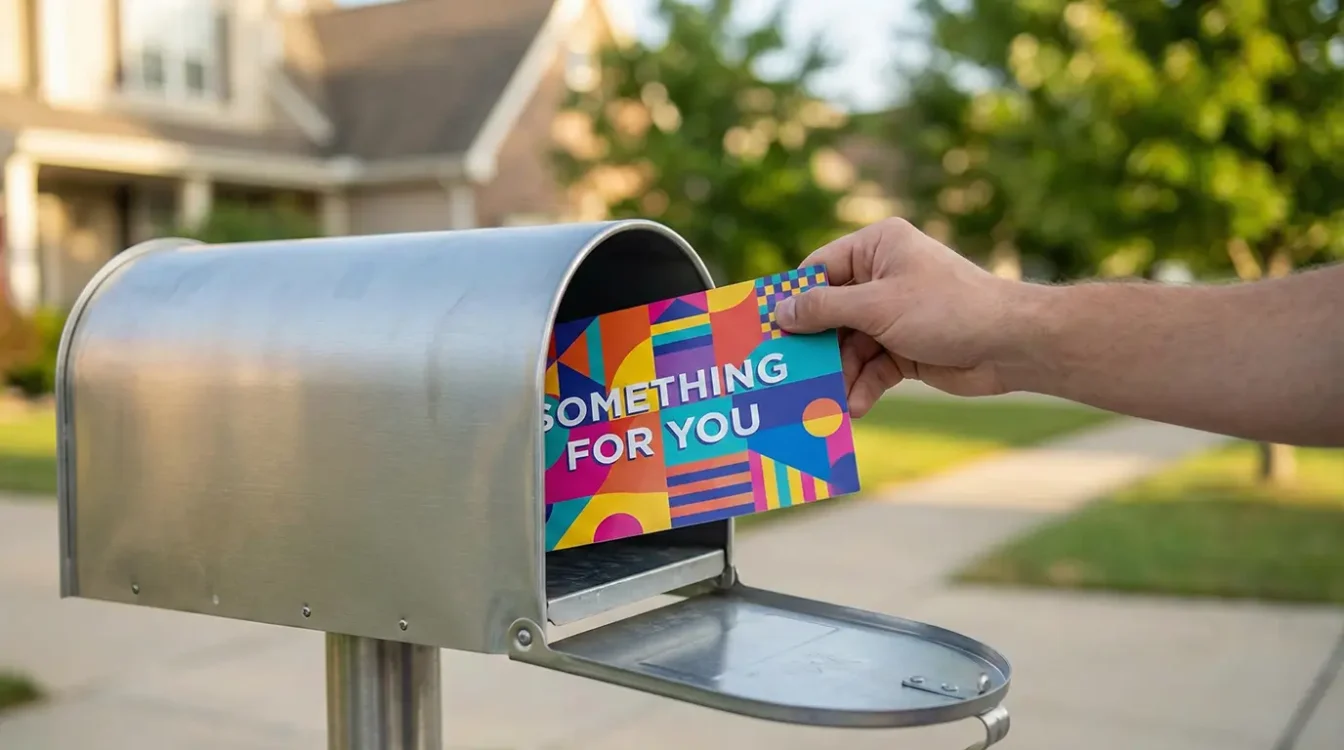
If you are looking for honest Direct Mail Marketing FAQs in 2026, you are in the right place. The digital inboxes of your customers are noisier than ever, and you might wonder if sending physical letters or postcards still makes sense. The short answer is yes. The long answer is backed by hard data. We have compiled the most critical Direct Mail Marketing FAQs and answered them using the latest industry facts from late 2025 and early 2026 reports. No guesswork. Just the numbers you need to make informed decisions. Top Direct Mail Marketing FAQs: Is it still effective? One of the most common Direct Mail Marketing FAQs we hear is simply: Does it still work? Direct mail is not just effective; it is currently outperforming many digital channels in engagement. The Return on Investment (ROI) for direct mail remains a standout metric. Industry reports from late 2025 indicate that direct mail campaigns can generate an ROI of up to 161%. This performance is driven by “digital fatigue.” With the average person receiving hundreds of emails daily, a physical letter stands out because it is tangible. It occupies real physical space in a home, which leads to our next point about lifespan. How long does a piece of direct mail last compared to email? One of the most compelling statistics in our industry concerns the “lifespan” of a marketing piece. Email Lifespan: Approximately 17 seconds. Direct Mail Lifespan: Approximately 17 days. According to data referenced by leading marketing authorities like Lob and PostGrid, a physical mail piece stays in the home for over two weeks on average. It gets placed on counters, stuck to refrigerators, and shared among household members. This extended shelf life creates multiple opportunities for a brand impression. An email is usually deleted or archived within seconds of being opened. What are the open rates for direct mail vs email? Visibility is the first hurdle in any marketing campaign. If they do not see it, they cannot buy it. Direct Mail Open Rate: Up to 90%. Email Open Rate: Typically 20% to 30%. Almost everyone checks their physical mailbox. Even if a recipient sorts their mail over the recycling bin, they are still touching, scanning, and making a conscious decision about your brand. That specific moment of physical interaction is guaranteed engagement that email simply cannot provide. What is the average response rate for direct mail? Getting a prospect to open the mail is good. Getting them to act is better. The Association of National Advertisers (ANA) and recent 2025 benchmarks place the average response rate for direct mail around 4.4% for prospect lists. When targeting a house list (people who have already bought from you), that rate can jump significantly higher, often reaching 9%. Compare this to digital channels: Direct Mail Response: ~4.4% Email Response: ~0.12% You would need to send exponentially more emails to get the same number of responses you would get from a targeted direct mail campaign. Does direct mail work for younger generations? There is a common misconception that direct mail only works for older demographics. The data suggests the opposite. Younger generations are actually more responsive to mail because it feels novel and trustworthy to them. USPS research has found that 82% of Millennials view print advertisements as more trustworthy than digital ads. Furthermore, 74% of Gen Z consumers prefer physical experiences over digital ones. Because Millennials and Gen Z are digital natives, they are the most skilled at filtering out digital noise. A physical postcard bypasses those digital filters completely. How can I track the results of a direct mail campaign? Direct mail is no longer a “spray and pray” tactic. It is a data focused channel that tracks just as accurately as digital ads. Modern campaigns use several methods to attribute success: QR Codes: Usage is rising. When a customer scans the code, you know exactly who they are and which mail piece convinced them to act. Personalized URLs: You can assign a unique web link to each recipient (e.g., yourwebsite.com/JaneDoe). This offers 100% accurate tracking of who visited your site. Matchback Analysis: This is the gold standard of attribution. After a campaign, you compare your list of mailed records against your list of sales. If Jane Doe got a postcard on Tuesday and bought a product on Thursday, matchback analysis credits that sale to the mail piece. Does combining direct mail with digital marketing help? Absolutely. Direct mail works best when it is part of an omnichannel strategy. Integrating direct mail with digital tactics (like following up a postcard with an email) can boost response rates by 63% or more. Marketers who use this “surround sound” approach report higher website visits and conversion rates. The physical mail piece primes the customer, making them more likely to click when they subsequently see your digital ad or email. Ready to Boost Your ROI? The facts are clear: Direct mail delivers higher open rates, stronger trust, and better response rates than almost any other channel in 2026. If you are ready to get your brand into the hands of your customers, we can help you build a strategy that works. Contact us today to start your campaign Sources for further reading: USPS Delivers: The Future of Direct Mail Lob: State of Direct Mail Reports ANA: Response Rate Reports
Read More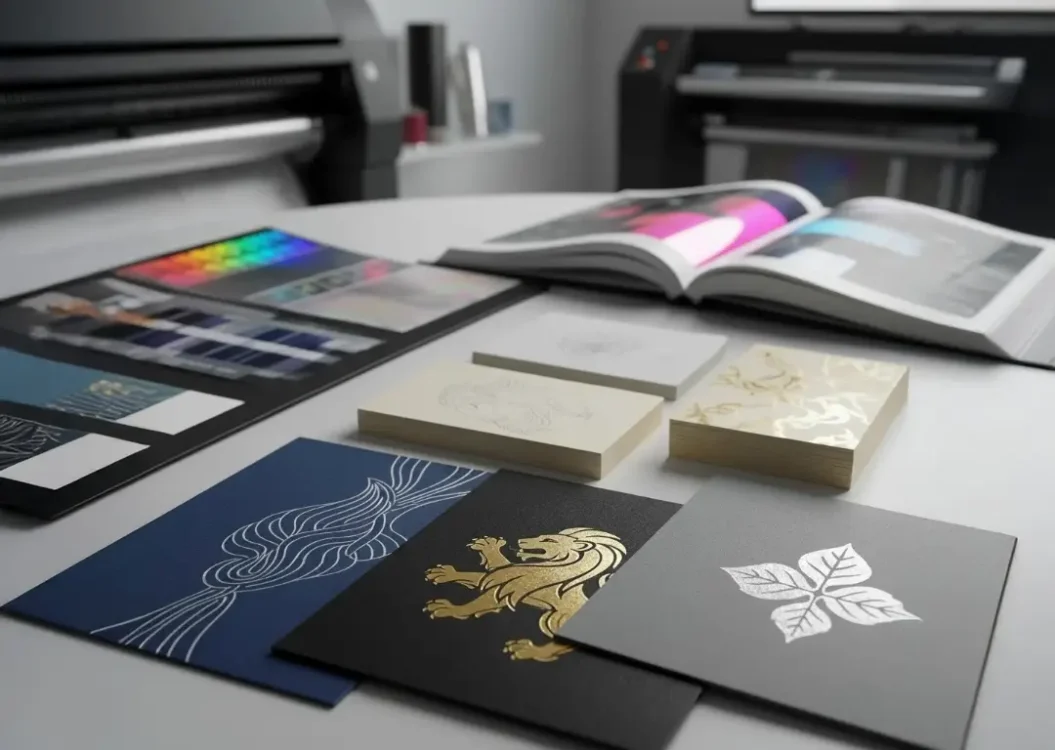
-
- October 29, 2025
Beyond CMYK: How Fifth Color Printing Elevates Your Brand to Unforgettable Heights
In a world overflowing with visual content, how do you make your brand genuinely pop? If you’re still relying solely on standard four-color (CMYK) printing, you might be missing a trick that could transform your projects from great to absolutely unforgettable. Enter Fifth Color Printing – the secret weapon designers and marketers are using to add that extra layer of magic. What Exactly Is Fifth Color Printing? (And Why Should You Care?) Think of CMYK (Cyan, Magenta, Yellow, Black) as your basic palette. It’s fantastic, but sometimes you need a little something extra to truly stand out. Fifth color printing introduces a specialized fifth ink (or even more!) into the process. This isn’t just another shade of blue; these are inks with unique properties that can’t be replicated by mixing CMYK. The Game-Changing Power of Specialty Inks: Dazzling Gold & Silver: Imagine your logo shimmering with real metallic luster. Gold and silver inks add an immediate touch of luxury, prestige, and high value that flat CMYK metallics just can’t match. Brilliant White: Ever tried printing a vibrant photo on dark paper? CMYK colors tend to get lost. White ink acts as a powerful base, allowing vibrant colors to pop brilliantly on black, colored, or even transparent substrates. It can also be used on its own for elegant, subtle designs. Vibrant Neons & Spot Colors: Sometimes, you need a specific, eye-popping color that just isn’t achievable with CMYK. Spot colors (like Pantone-matched hues) ensure brand consistency and vibrancy, while neon inks scream “look at me!” Clear Varnish & Textures: Add a tactile dimension! A clear varnish can highlight specific areas of your design with a glossy, matte, or even textured effect, creating a subtle yet sophisticated contrast. Who Benefits Most from Fifth Color Printing? Luxury Brands: Elevate packaging, invitations, and marketing collateral to match the premium nature of your products. Think high-end jewelry, fashion, real estate, or automotive. Designers & Agencies: Offer clients truly unique and memorable print solutions that set their campaigns apart. Event Planners: Create stunning, personalized invitations and programs that leave a lasting impression for weddings, galas, and corporate events. Small Businesses & Startups: Make a big impact on a smaller budget with eye-catching business cards, loyalty programs, or product tags. Anyone Looking to Stand Out! If you want your printed materials to feel special, memorable, and high-quality, fifth color printing is your answer. The Opportunities Are Endless! Unforgettable Business Cards: Imagine handing over a card with your logo shimmering in gold, or elegant white text on a black background. Stunning Packaging: Make your products leap off the shelf with metallic accents, vibrant colors on dark substrates, or tactile varnishes. Premium Invitations: From weddings to corporate events, an invitation with metallic or spot color elements conveys importance and luxury. Eye-Catching Brochures & Flyers: Ensure your marketing materials don’t just get read, but felt and remembered. Ready to Make Your Projects Shine? In today’s competitive landscape, differentiation is key. Fifth color printing isn’t just about adding another color; it’s about adding impact, perceived value, and an undeniable touch of sophistication. It’s about making your brand not just seen, but truly felt and remembered. Explore the possibilities. Ask your print provider about incorporating white, gold, silver, or other specialty inks into your next project. You might be surprised at how accessible and transformative this “fifth color” can be!
Read More