Direct Mail Marketing FAQs: Proven Facts You Need in 2026
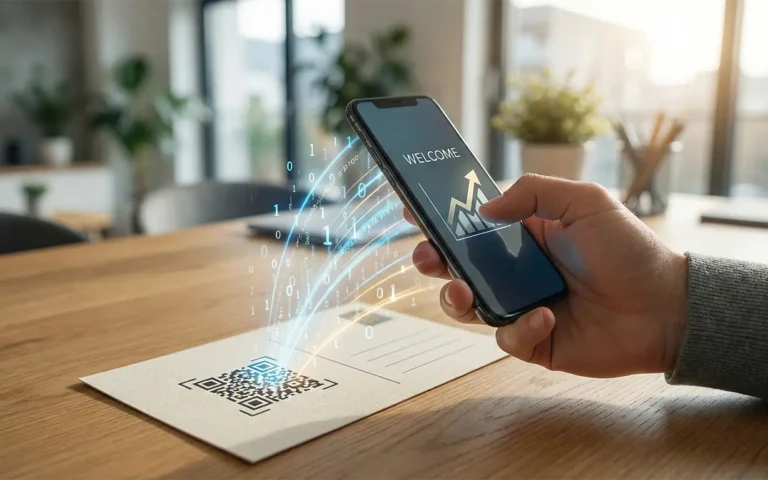
If you are looking for honest Direct Mail Marketing FAQs in 2026, you are in the right place. The digital inboxes of your customers are noisier than ever, and you might wonder if sending physical letters or postcards still makes sense. The short answer is yes. The long answer is backed by hard data. We have compiled the most critical Direct Mail Marketing FAQs and answered them using the latest industry facts from late 2025 and early 2026 reports. No guesswork. Just the numbers you need to make informed decisions. Top Direct Mail Marketing FAQs: Is it still effective? One of the most common Direct Mail Marketing FAQs we hear is simply: Does it still work? Direct mail is not just effective; it is currently outperforming many digital channels in engagement. The Return on Investment (ROI) for direct mail remains a standout metric. Industry reports from late 2025 indicate that direct mail campaigns can generate an ROI of up to 161%. This performance is driven by “digital fatigue.” With the average person receiving hundreds of emails daily, a physical letter stands out because it is tangible. It occupies real physical space in a home, which leads to our next point about lifespan. How long does a piece of direct mail last compared to email? One of the most compelling statistics in our industry concerns the “lifespan” of a marketing piece. Email Lifespan: Approximately 17 seconds. Direct Mail Lifespan: Approximately 17 days. According to data referenced by leading marketing authorities like Lob and PostGrid, a physical mail piece stays in the home for over two weeks on average. It gets placed on counters, stuck to refrigerators, and shared among household members. This extended shelf life creates multiple opportunities for a brand impression. An email is usually deleted or archived within seconds of being opened. What are the open rates for direct mail vs email? Visibility is the first hurdle in any marketing campaign. If they do not see it, they cannot buy it. Direct Mail Open Rate: Up to 90%. Email Open Rate: Typically 20% to 30%. Almost everyone checks their physical mailbox. Even if a recipient sorts their mail over the recycling bin, they are still touching, scanning, and making a conscious decision about your brand. That specific moment of physical interaction is guaranteed engagement that email simply cannot provide. What is the average response rate for direct mail? Getting a prospect to open the mail is good. Getting them to act is better. The Association of National Advertisers (ANA) and recent 2025 benchmarks place the average response rate for direct mail around 4.4% for prospect lists. When targeting a house list (people who have already bought from you), that rate can jump significantly higher, often reaching 9%. Compare this to digital channels: Direct Mail Response: ~4.4% Email Response: ~0.12% You would need to send exponentially more emails to get the same number of responses you would get from a targeted direct mail campaign. Does direct mail work for younger generations? There is a common misconception that direct mail only works for older demographics. The data suggests the opposite. Younger generations are actually more responsive to mail because it feels novel and trustworthy to them. USPS research has found that 82% of Millennials view print advertisements as more trustworthy than digital ads. Furthermore, 74% of Gen Z consumers prefer physical experiences over digital ones. Because Millennials and Gen Z are digital natives, they are the most skilled at filtering out digital noise. A physical postcard bypasses those digital filters completely. How can I track the results of a direct mail campaign? Direct mail is no longer a “spray and pray” tactic. It is a data focused channel that tracks just as accurately as digital ads. Modern campaigns use several methods to attribute success: QR Codes: Usage is rising. When a customer scans the code, you know exactly who they are and which mail piece convinced them to act. Personalized URLs: You can assign a unique web link to each recipient (e.g., yourwebsite.com/JaneDoe). This offers 100% accurate tracking of who visited your site. Matchback Analysis: This is the gold standard of attribution. After a campaign, you compare your list of mailed records against your list of sales. If Jane Doe got a postcard on Tuesday and bought a product on Thursday, matchback analysis credits that sale to the mail piece. Does combining direct mail with digital marketing help? Absolutely. Direct mail works best when it is part of an omnichannel strategy. Integrating direct mail with digital tactics (like following up a postcard with an email) can boost response rates by 63% or more. Marketers who use this “surround sound” approach report higher website visits and conversion rates. The physical mail piece primes the customer, making them more likely to click when they subsequently see your digital ad or email. Ready to Boost Your ROI? The facts are clear: Direct mail delivers higher open rates, stronger trust, and better response rates than almost any other channel in 2026. If you are ready to get your brand into the hands of your customers, we can help you build a strategy that works. Contact us today to start your campaign Sources for further reading: USPS Delivers: The Future of Direct Mail Lob: State of Direct Mail Reports ANA: Response Rate Reports
Read MoreHVAC, Plumbing, & Electrical: Does Direct Mail Marketing Actually Work?
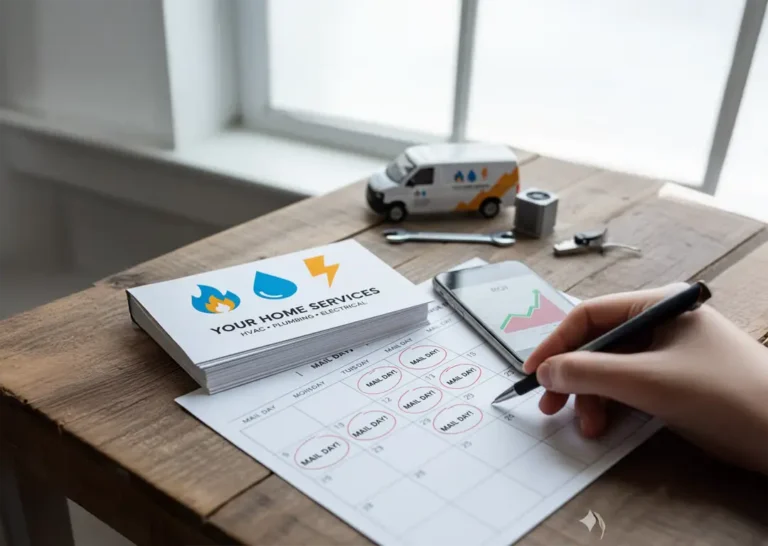
You run a great local service company, and you’re thinking about starting a direct mail marketing strategy for your HVAC, plumbing, or electrical business. That’s a smart idea for HVAC marketing or plumbing advertising! But before you spend a dollar on stamps and printing, you need to understand one simple rule about getting customers from the mail. The most important question is: Are you truly ready to send mail more than once? Why a “One-and-Done” Postcard Campaign Fails Your Service Business We talk to owners of HVAC, plumbing, and electrical companies all the time who say, “I just want to send one postcard to see if it works. If I get calls, I’ll send more later.” Here’s the honest truth: Sending only one piece of direct mail is almost always a waste of your money. People don’t call you right away just because they saw your name once. They need to see your company’s name several times before they trust you enough to call you for an important repair or service. A single flyer is easy to ignore, forget, or toss out with the junk mail. If you try it once and don’t get calls, you’ll walk away thinking postcard marketing “doesn’t work,” when the real problem was the plan! The Secret to Success for Direct Mail Marketing HVAC Plumbing Electrical. The only way to make direct mail marketing successful for your business is through repetition and consistency. You need a plan that ensures local homeowners see your company’s name again and again. Why does this work so well for home service businesses? They Need to Remember You: When their furnace breaks, the toilet overflows, or they need an electrician, you want your company to be the first name they remember. Seeing your mail multiple times builds that memory and trust. You Hit Perfect Timing: Most people don’t need a plumber right now. But if you send mail four or six times over a year, you drastically increase the chances that one of your postcards will land in their hands the exact week they do need your service. To see real results and make direct mail profitable, you should plan to send something to the same potential customers at least 3 times, but ideally 6 times or more over a set period. Postcard Marketing: Tips for Stand-Out Design & Simple Messaging It’s not just about how often you mail; it’s also about what you mail and what you say. 1. Change Up the Look Don’t send the same boring piece every time. Keep it fresh by using different kinds of mail: Send a simple paper postcard with a big discount. Send a magnet that they can stick right on the fridge. (Now your number is always visible!) Send a plastic postcard that feels important and is harder to throw away. Using a mix ensures your ads get noticed and aren’t immediately mistaken for the same old junk mail. 2. Keep Your Message Simple When you write your ad, remember that most homeowners aren’t experts. If you use confusing technical words, they might just stop reading. Don’t talk about specs or ratings. Do talk about simple benefits: Focus on what they care about, like “Save Money on Your Electric Bill,” “Fast, Friendly Emergency Plumbing,” or “Reliable HVAC Service.” The clearer your message and the more you focus on helping them, the more calls you’ll get. The Final Verdict on Direct Mail Postcards are a fantastic tool for your HVAC, Plumbing, or Electrical business—but only if you commit to sending them consistently. If you are ready to put a simple, multi-touch plan on the calendar to mail the same homes 3 to 6 times, this direct mail marketing strategy will be a great investment. If you only plan to try it once, save your money!
Read MoreSmall Business Sales: 5 Simple Human-Centered Insights to Grow Beyond the Hustle
Why Human-Centered Small Business Sales Works If you’re a small business owner, “sales” can feel like a four-letter word. It’s the mountain you have to climb every single day, often while you’re also being the marketer, the accountant, the customer service rep, and the janitor. The internet is full of “hacks” and “funnels” that promise to triple your revenue overnight. But the truth is, most of this advice feels impersonal, complicated, and just… not you. What if growing your sales wasn’t about aggressive tactics, but about simple, human-centered shifts? What if it was less about “closing” and more about “connecting”? As we move forward, the most successful small businesses are the ones that lean into their greatest advantage: their humanity. Here are 5 key insights that can help you drive real sales growth, just by being human. 1. Stop Pitching, Start Solving We’re often so excited about our product or service that we lead with the features. We talk about what it is. But your customer isn’t buying your features. They’re buying a solution to their problem. They’re buying a feeling. They’re buying a better version of themselves. Before your next sales conversation or social media post, ask yourself: What problem does my customer have right before they start looking for me? What is that problem costing them (in time, money, or peace of mind)? How will their life be better and easier after they use my product? The Insight: Lead with empathy. When you show you understand the problem better than anyone else, you instantly build trust. The sale becomes the natural next step, not a pushy pitch. 2. Your Best New Customer is an Old One In the quest for growth, we’re obsessed with new leads. But acquiring a new customer is 5 to 25 times more expensive than keeping a current one. Your existing customer base is a gold mine. They already trust you. They’ve already seen the value you provide. They are your single greatest source of repeat business and high-quality referrals. The Insight: Shift some of your energy from acquisition to retention. Create a simple loyalty perk. Send a personal thank-you email. Ask for feedback (and act on it). Build a community. A delighted customer is your most powerful and cost-effective sales-person. 3. Ditch the “Brand Voice.” Use Yours. So many small businesses try to sound “professional” and end up sounding like a faceless corporation. They use “we” when it’s just “I.” They use jargon and corporate-speak. Here’s the secret: People don’t connect with logos. They connect with people. Your biggest competitive advantage against the Amazons of the world is you. The Insight: Be a person. Show your face on social media. Tell the story of why you started your business. Write your emails and web copy like you’re talking to a friend. Authenticity builds a connection that big brands can’t fake. 4. Friction is Your Sales Kryptonite Imagine a customer wants to give you money, but they can’t figure out your website. The “buy” button is hidden. The checkout form asks for 20 fields. Your site isn’t mobile-friendly. That’s friction. And every single point of friction is a lost sale. The Insight: Go through your own buying process, from start to finish, on your phone. Is it fast? Is it clear? Is it simple? How many clicks does it really take to buy? Make it insanely easy for people to say “yes.” Remove every unnecessary step, button, and form field. 5. Data Isn’t a Four-Letter Word “Data” and “analytics” can sound intimidating, but it’s really just a compass. You don’t need a data science degree to use it. You’re likely already sitting on a treasure trove of simple, actionable data: Social Media: Which posts get the most comments or shares? That’s what your audience wants to hear about. Do more of that. Website: Which page do people visit most? That’s your most valuable digital real_estate. Make sure it has a clear call to action. E-commerce: Where do people drop off in the checkout process? That’s the exact point of friction you need to fix (see Insight #4). The Insight: You don’t need to track everything. Just pick one or two simple numbers to look at each week. Let the data guide you. Stop guessing what works and start knowing. It’s Not Magic, It’s Focus Growing your sales doesn’t require a personality transplant or a massive budget. It’s about small, consistent shifts. It’s about solving, not selling. It’s about appreciating, not just acquiring. It’s about being you, being clear, and being curious. Growing a business is a journey, and knowing where to focus your energy is half the battle. We hope these insights help clear the path.
Read More5 Marketing Traps Almost Every New Business Owner Falls Into (And How to Climb Out)
Let’s be real: running your own business is a wild juggling act. You’re the CEO, the product designer, the accountant, and—yep—the entire marketing department. With a to-do list that never ends, it’s so easy to fall into common marketing traps that burn you out and waste precious money. But here’s the good news: you’re not alone, and these mistakes are completely fixable. Marketing isn’t about doing everything at once. It’s about doing the right things for your small business marketing, one step at a time. Does any of this sound familiar? Let’s walk through five common hurdles and, more importantly, how to get over them. Marketing Trap #1: Trying to Sell to “Everyone” When you’ve poured your heart into a product or service, you genuinely believe everyone could benefit from it. I get it! But the hard truth is, when you try to talk to everyone, your message becomes so general that it just gets lost in the noise. It doesn’t connect with anyone. The Fix: Find Your People Stop trying to be the “best” choice for everybody and start being the “only” choice for a specific group. Think about your absolute favorite customer. The one you wish you could clone. Now, let’s build a picture of them: How old are they? Where do they live? What do they really care about? What’s a specific, nagging problem they have that you can solve? Where do they “live” online? (Is it a specific Facebook group? LinkedIn? Instagram?) Once you have this person in your head, just write for them. Your marketing will instantly feel more personal and, in turn, become way more effective. Marketing Trap #2: “Doing Marketing” Without a Goal Ever get to the end of the day, realize you posted on social media, but have no idea if it… did anything? That’s what I call “check-the-box” marketing, and it’s one of the most common marketing traps for new business owners. You’re busy, but you’re not necessarily being effective. How can you know if you’re winning if you never defined what winning looks like? The Fix: Know Your “Why” with SMART Goals Before you spend another minute on a post or an ad, take a breath and ask, “What am I trying to achieve right now?” A simple way to do this is with SMART goals. It sounds “business-y,” but it’s really just common sense: Specific: “I want to grow my email list.” (Clearer than “grow my business.”) Measurable: “I want to get 50 new subscribers.” (You can track this.) Achievable: “50 is a realistic number for me this month.” (Not 5,000.) Relevant: “Email subscribers are great because they often become loyal customers.” Time-bound: “I’ll aim for this by the end of the month.” Now, you’re not just “posting.” You’re running a 30-day campaign to get 50 new subscribers. See the difference? Marketing Trap #3: The “Be Everywhere” Burnout Ever feel like you’re supposed to be on TikTok, Instagram, Facebook, LinkedIn, Pinterest, and also run a blog and a YouTube channel… all at the same time? It’s exhausting. Trying to be everywhere is the fastest path to burnout and, frankly, to creating a lot of mediocre content. The Fix: Pick Your Playground Here’s your permission slip: You don’t have to be everywhere.Go back to that favorite customer we pictured in Mistake #1. Where are they hanging out? If your ideal client is a 50-year-old lawyer, you probably don’t need to stress about TikTok. If you sell beautiful handmade jewelry, Instagram and Pinterest are your best friends. Choose one or two platforms where your people already are and just focus on doing those really well. It’s so much better to be a star in one place than a ghost in seven. Marketing Trap #4: The “All Sales, All the Time” Megaphone Does your social media feed or email newsletter look like a wall of digital coupons? “BUY NOW!” “SALE!” “LIMITED TIME!” If every time you talk to your audience, you’re asking for a sale, you’re training them to tune you out. People want to connect, not just be sold to 24/7. The Fix: Give, Give, Give… Then Ask (The 80/20 Idea) Think of your marketing like a relationship. You wouldn’t ask someone to marry you on the first date, right? You build trust first. 80% of your content: Aim to be genuinely helpful, interesting, or entertaining. Share a tip, answer a common question, show a fun behind-the-scenes moment, or celebrate a customer. Build that trust. Show them you’re an expert who cares. 20% of your content: Now you’ve earned the right to ask. This is in your new offer, your sales pitch, or your call to buy. When people know you’re not just there to sell to them, they’ll be far more open and interested when you finally do. Marketing Trap #5: Chasing New Customers and Forgetting Your Old Ones It’s always exciting to chase and win a brand-new customer. But in that chase, we often forget about the goldmine we’re already sitting on: our existing customers. These are the people who already know, like, and trust you! It’s so much easier (and far cheaper) to get a current customer to buy again than to convince a total stranger. The Fix: Treat Your Current Customers Like VIPs Roll out the red carpet for the people who already support you. Start that email list: This is your direct line to your biggest fans. (If you’re not sure where to start, check out our simple guide to email marketing here). It’s the most valuable marketing tool you can have. Create a simple loyalty program: A small “thank you” discount for their 5th purchase goes a long way. Ask for reviews: Happy customers are usually happy to share! Their words are more powerful than any ad you could write. Try a referral system: “Refer a friend, you both get 10% off.” Let your fans become your best salespeople. You’ve Got This: Small Shifts, Big Results You don’t need a massive budget or a
Read More