-
Mert Bayazitoglu
- December 30, 2025
The Tangible Standard: Commercial Printing Services for National Brands
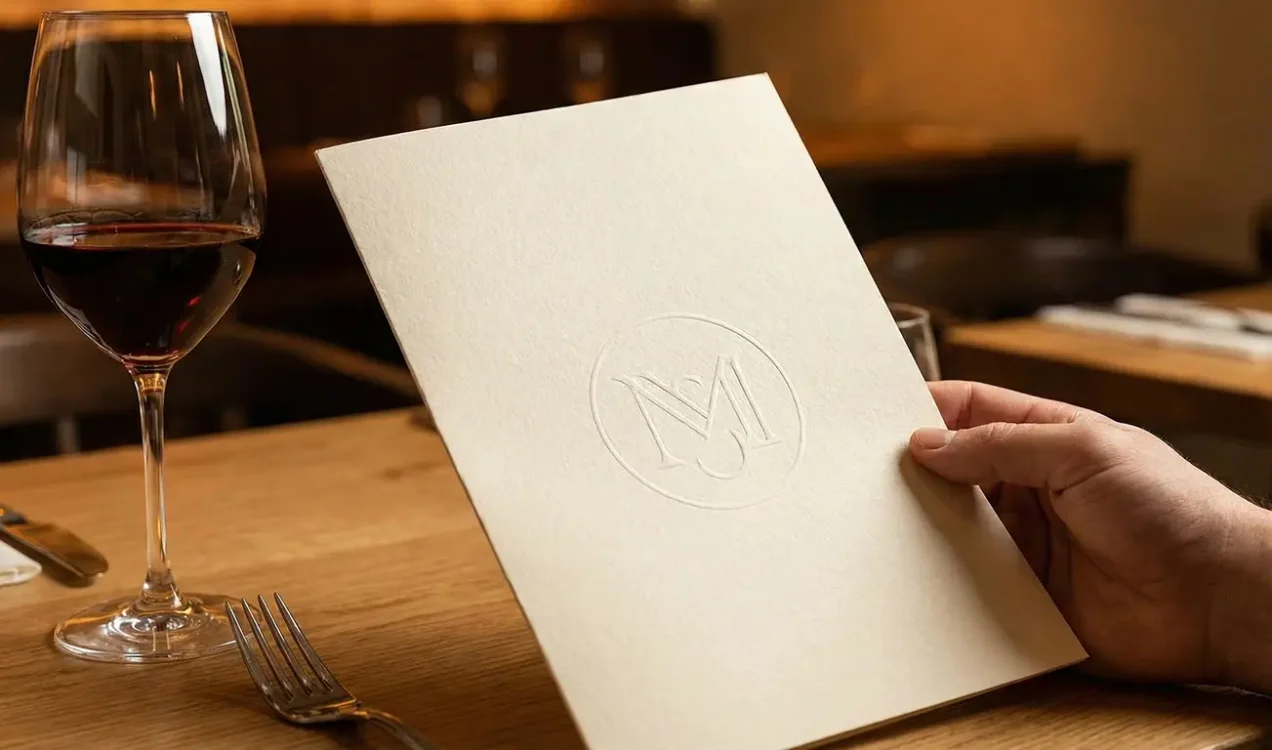
The Tangible Standard: Why Modern Brands Demand Physical Print We live in an economy of pixels. A customer in California can order from a business in New York with a single click. Information moves at the speed of light. But in this rush of digital noise, the human brain still craves something solid. That is why commercial printing services remain the backbone of successful national marketing campaigns. At 1st Class Marketing, we provide commercial grade solutions for businesses across the entire United States. We understand that while digital marketing captures attention, physical print captures the imagination. We do not just put ink on paper. We engineer physical assets that build authority, deepen comprehension, and establish trust for your brand nationwide. The Neuroscience of Ownership Why do you value a physical book more than a digital file? It is not just nostalgia. It is biology. Research into the neuroscience of touch reveals that physical media leaves a deeper footprint in the brain than digital media. The United States Postal Service Office of Inspector General partnered with Temple University to study this phenomenon. They found that physical ads trigger activity in the ventral striatum. This is the part of the brain responsible for value and desirability. When a customer holds your brochure or catalog, their brain begins to feel a subconscious sense of ownership. This “Endowment Effect” makes it harder for them to discard the information. Digital ads do not trigger this same response. You can read the full report on this neurological research here: USPS OIG: Enhancing the Value of Mail The Science of Deep Reading We read differently on screens. When we look at a monitor or phone, we tend to skim. We hunt for keywords rather than absorbing the full message. Paper encourages “deep reading.” This is a state of focused attention where the reader fully comprehends complex information. If you are selling a complicated product or a high value service, you need your customer to focus. According to research cited by Oxford Learning, students and adults consistently show higher comprehension scores when reading on paper versus screens. The physical cues of the page help the brain map out the information. By using professional commercial printing services to produce your detailed sales materials, you are actually helping your customer understand your value proposition better. Review the findings on reading comprehension here: Oxford Learning: Screen vs. Paper Reading Sustainability and Responsibility A common myth is that digital is always greener. The truth is more nuanced. The paper industry is one of the few industries that plants more than it harvests. Paper is a renewable resource. According to the American Forest & Paper Association (AF&PA), paper recycling rates in the United States have remained consistently high, often exceeding 60 percent. The industry is a leader in sustainable forestry and recycling infrastructure. When you print on sustainable stock, you are using a material that is circular by design. We offer a wide range of recycled and certified paper options to ensure your marketing aligns with your environmental goals. See the latest data on paper recycling rates here: American Forest & Paper Association: Sustainability Facts Why Commercial Printing Services Build Trust The internet is crowded with unverified information. Phishing emails and fake websites have made consumers skeptical. Physical print implies legitimacy. Scammers rarely spend the capital to print thousands of high quality brochures or catalogs. Consumers know this instinctively. When you invest in physical materials, you signal that you are a real, established, and trustworthy entity. The Federal Trade Commission (FTC) frequently warns consumers about online fraud. By placing a physical document in your customer’s hands, you bypass the anxiety associated with clicking unknown links. View consumer protection resources here: Federal Trade Commission: Consumer Information Our Nationwide Capabilities We are equipped to handle massive volume without sacrificing the fine details that define premium quality. Here is how our commercial printing services help businesses across the country elevate their image. 1. Advanced Color Precision Your brand colors are your identity. Your corporate red or blue must look exactly the same on a business card as it does on a large presentation folder. We use advanced color management systems to monitor ink density and color balance. This guarantees that your marketing collateral looks identical in every state where you do business. 2. Diverse Paper Stocks and Textures We offer a vast library of paper options to suit any project. Heavy Cover Stock: This provides rigidity and durability. It conveys strength. Gloss and Matte Finishes: We guide you on when to use gloss for popping colors or matte for a sophisticated look. Specialty Textures: We can source unique papers that engage the fingertips and make people pause. 3. Professional Bindery Services The printing is only half the job. The finishing is what turns a stack of paper into a product. Saddle Stitching: We use this for magazines, newsletters, and program guides. Perfect Binding: This creates a flat and square spine for a polished appearance. It is ideal for thick catalogs. Precision Folding: We handle everything from standard letter folds to complex architectural folds for maps. Nationwide Consistency You do not need a printer in every city. You need one partner who can handle it all. At 1st Class Marketing, we combine the capacity of a national manufacturer with the care of a craftsman. We are big enough to handle your largest campaign but focused enough to catch the smallest detail. Whether you are a franchise chain needing uniformity or a corporation launching a new product line, our commercial printing services ensure your assets are perfect every time. Let us handle the production. You handle the growth.
Read More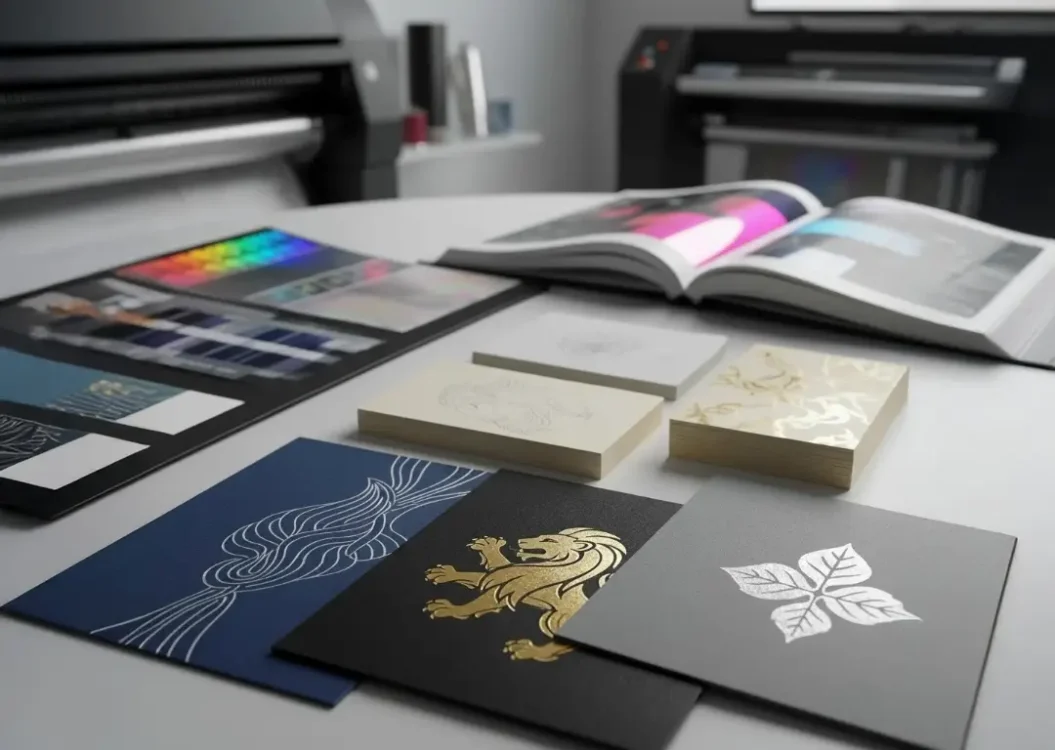
-
- October 29, 2025
Beyond CMYK: How Fifth Color Printing Elevates Your Brand to Unforgettable Heights
In a world overflowing with visual content, how do you make your brand genuinely pop? If you’re still relying solely on standard four-color (CMYK) printing, you might be missing a trick that could transform your projects from great to absolutely unforgettable. Enter Fifth Color Printing – the secret weapon designers and marketers are using to add that extra layer of magic. What Exactly Is Fifth Color Printing? (And Why Should You Care?) Think of CMYK (Cyan, Magenta, Yellow, Black) as your basic palette. It’s fantastic, but sometimes you need a little something extra to truly stand out. Fifth color printing introduces a specialized fifth ink (or even more!) into the process. This isn’t just another shade of blue; these are inks with unique properties that can’t be replicated by mixing CMYK. The Game-Changing Power of Specialty Inks: Dazzling Gold & Silver: Imagine your logo shimmering with real metallic luster. Gold and silver inks add an immediate touch of luxury, prestige, and high value that flat CMYK metallics just can’t match. Brilliant White: Ever tried printing a vibrant photo on dark paper? CMYK colors tend to get lost. White ink acts as a powerful base, allowing vibrant colors to pop brilliantly on black, colored, or even transparent substrates. It can also be used on its own for elegant, subtle designs. Vibrant Neons & Spot Colors: Sometimes, you need a specific, eye-popping color that just isn’t achievable with CMYK. Spot colors (like Pantone-matched hues) ensure brand consistency and vibrancy, while neon inks scream “look at me!” Clear Varnish & Textures: Add a tactile dimension! A clear varnish can highlight specific areas of your design with a glossy, matte, or even textured effect, creating a subtle yet sophisticated contrast. Who Benefits Most from Fifth Color Printing? Luxury Brands: Elevate packaging, invitations, and marketing collateral to match the premium nature of your products. Think high-end jewelry, fashion, real estate, or automotive. Designers & Agencies: Offer clients truly unique and memorable print solutions that set their campaigns apart. Event Planners: Create stunning, personalized invitations and programs that leave a lasting impression for weddings, galas, and corporate events. Small Businesses & Startups: Make a big impact on a smaller budget with eye-catching business cards, loyalty programs, or product tags. Anyone Looking to Stand Out! If you want your printed materials to feel special, memorable, and high-quality, fifth color printing is your answer. The Opportunities Are Endless! Unforgettable Business Cards: Imagine handing over a card with your logo shimmering in gold, or elegant white text on a black background. Stunning Packaging: Make your products leap off the shelf with metallic accents, vibrant colors on dark substrates, or tactile varnishes. Premium Invitations: From weddings to corporate events, an invitation with metallic or spot color elements conveys importance and luxury. Eye-Catching Brochures & Flyers: Ensure your marketing materials don’t just get read, but felt and remembered. Ready to Make Your Projects Shine? In today’s competitive landscape, differentiation is key. Fifth color printing isn’t just about adding another color; it’s about adding impact, perceived value, and an undeniable touch of sophistication. It’s about making your brand not just seen, but truly felt and remembered. Explore the possibilities. Ask your print provider about incorporating white, gold, silver, or other specialty inks into your next project. You might be surprised at how accessible and transformative this “fifth color” can be!
Read More